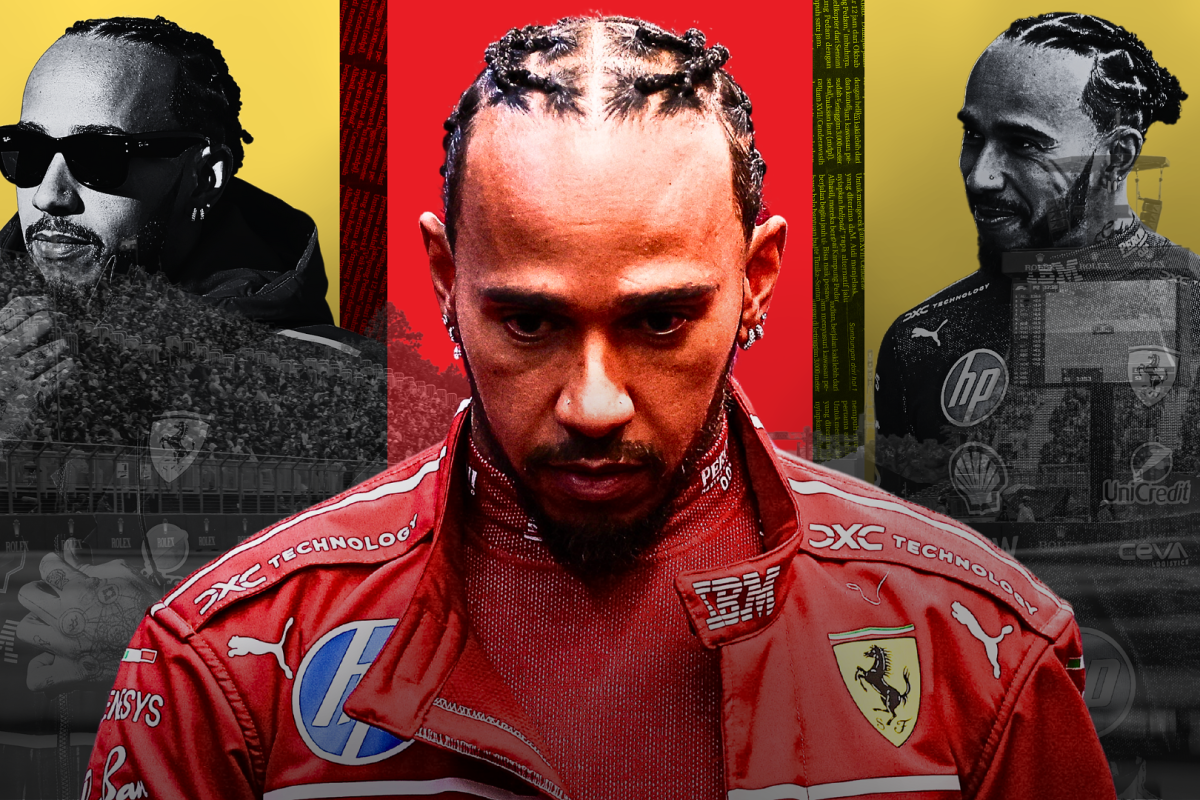
FIA Confirms Disqualification of F1 Star After Miami Grand Prix
The (FIA) has officially confirmed the disqualification of a Formula 1 driver following a dramatic conclusion to the , sending shockwaves through the paddock and reshaping the final race classification.
The decision was announced hours after the chequered flag, following a detailed post-race inspection carried out by FIA stewards.
While initial results had placed the driver in a competitive finishing position, routine technical checks reportedly uncovered a breach of the sport’s strict regulations. As per FIA protocol, any infringement—regardless of intent—can result in severe penalties, including outright disqualification.
According to the governing body, the issue was linked to a technical irregularity involving the car’s compliance with Formula 1’s engineering standards. Though the FIA did not immediately disclose full specifics, sources within the paddock suggest the violation may relate to weight limits or component legality—both common areas of scrutiny in post-race examinations. Teams are required to meet precise specifications at all times, and even minor deviations can trigger sanctions.
The disqualification has had an immediate impact on the race standings, promoting several drivers up the order and altering the points distribution in both the Drivers’ and Constructors’ Championships. In a season already shaping up to be fiercely competitive, such changes could prove decisive in the long run.
The team involved has acknowledged the FIA’s decision but is reportedly reviewing the findings in detail. A formal statement hinted at the possibility of seeking clarification, though it stopped short of confirming whether an appeal would be lodged. Under FIA regulations, teams have a limited window to challenge such rulings, provided they can present new evidence or demonstrate procedural inconsistencies.
Fans and analysts have reacted swiftly, with opinions divided across the motorsport community. Some argue that the FIA’s strict enforcement ensures fairness and maintains the integrity of the sport, while others question whether greater transparency should accompany such high-profile rulings. Social media platforms were flooded with debate, with many calling for clearer communication regarding the nature of the infringement.
This incident adds to a growing list of post-race controversies in , where the margins between success and penalty are often razor-thin. In recent years, the FIA has intensified its regulatory oversight, aiming to create a level playing field amid rapidly advancing car technologies.
For the driver at the center of the controversy, the disqualification marks a significant setback. What could have been a strong points finish has now turned into a costly zero, potentially affecting momentum in the championship battle. For rivals, however, the decision presents an unexpected opportunity to capitalize.
As the Formula 1 circus moves on to its next destination, attention will remain firmly on the fallout from Miami. Teams will undoubtedly double down on compliance checks, aware that even the slightest oversight can have major consequences.
The FIA is expected to release a more detailed report in the coming days, which should shed further light on the exact cause of the disqualification. Until then, the Miami Grand Prix will be remembered not just for the on-track action, but for the controversy that unfolded after the race had seemingly been decided.