Ralf Schumacher Confirmed Lewis Hamilton Contract Limit,..
MARANELLO, ITALY — Former Formula 1 driver has ignited fresh debate across the paddock after suggesting that may have a contractual clause preventing from imposing traditional team orders.
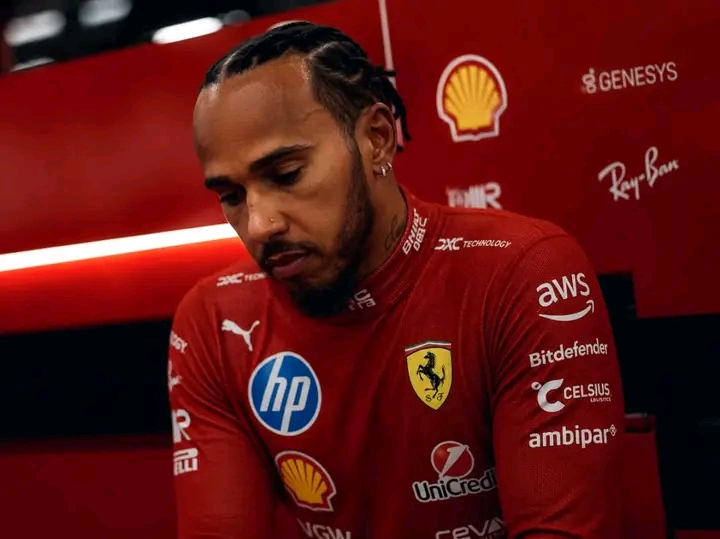
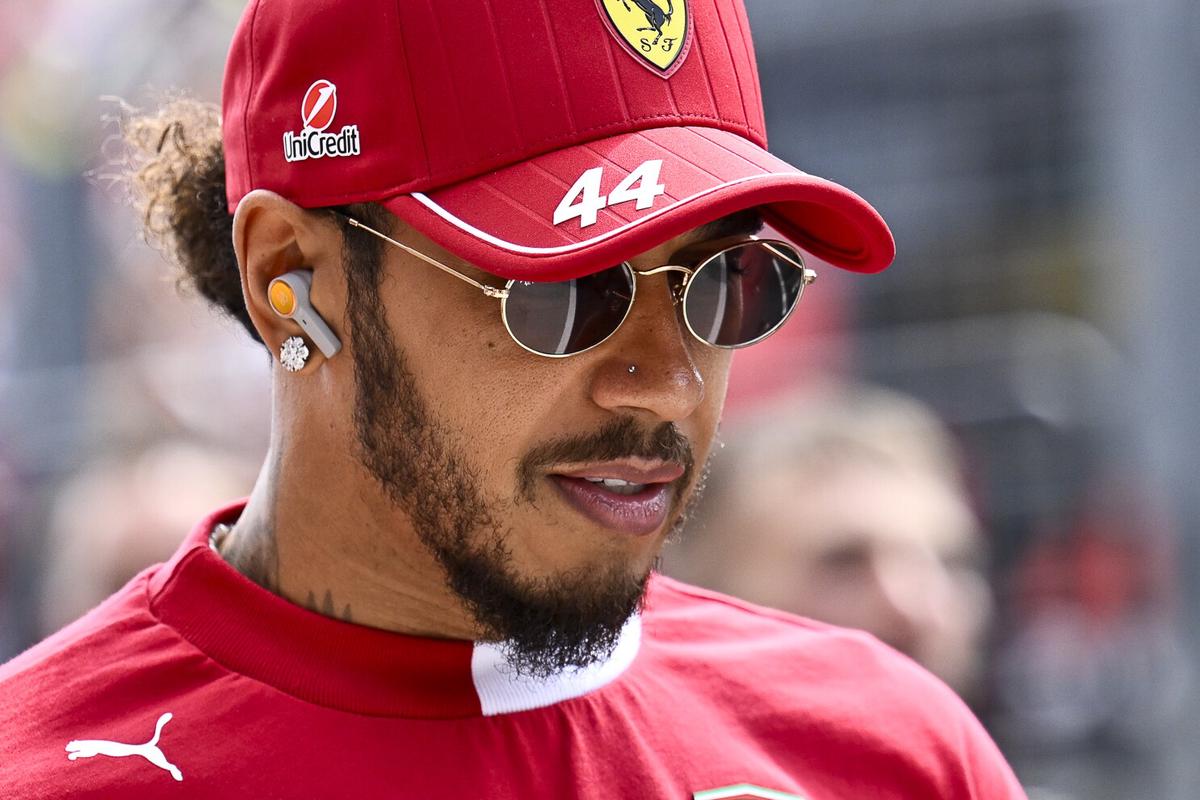
Hamilton’s high-profile switch to Ferrari has been one of the defining storylines of the 2026 season, marking a new chapter in the seven-time world champion’s legendary career. However, Schumacher believes the move may come with unique conditions designed to protect the Briton’s competitive independence within the team.
Speaking during a recent broadcast, Schumacher hinted that Ferrari could face internal limitations when it comes to prioritizing one driver over another a long-standing tactic often used by top teams in championship battles. According to him, Hamilton’s stature and experience may have allowed him to negotiate terms that ensure he is not asked to уступ position or play a secondary role under team strategy.
“This is not a typical driver contract,” Schumacher said. “With someone like Hamilton, there are always special considerations. It’s possible Ferrari cannot simply apply team orders in the way they have done in the past.”
The comments have sparked widespread speculation, particularly given Ferrari’s history of employing strict team hierarchies during title fights. From the era of Michael Schumacher to more recent seasons, the Italian outfit has often made decisive calls to support a lead driver. If such a clause exists, it could represent a significant philosophical shift for the team.
Hamilton’s arrival at Ferrari was widely seen as a bold attempt to secure a record-breaking eighth world championship. After years of dominance with , the British driver opted for a new challenge, joining a team eager to return to championship-winning form.
So far, Ferrari has remained tight-lipped on the specifics of Hamilton’s contract, and no official confirmation has been given regarding any restrictions on team orders. Team principal has repeatedly emphasized unity within the squad, insisting that both drivers will be treated fairly while the team focuses on maximizing results.
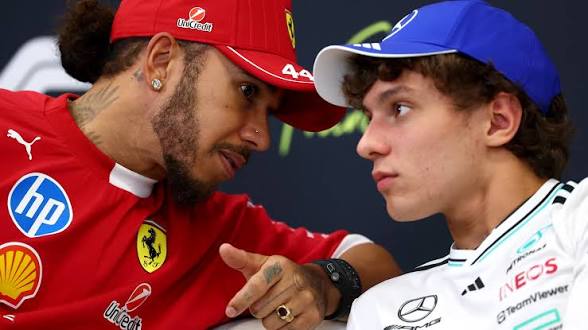
Still, Schumacher’s remarks raise important questions about how Ferrari would handle a scenario in which Hamilton and his teammate are competing directly for position during a race. In such moments, team orders have historically played a crucial role in securing maximum points for constructors’ and drivers’ championships alike.
The debate also touches on broader issues within Formula 1, where team orders remain a controversial but accepted part of the sport. While officially unrestricted, their use often draws criticism from fans who prefer pure on-track competition without strategic вмешательство.
For now, the idea of a “no team orders” clause remains speculative. Yet with Hamilton’s influence and Ferrari’s ambitions, the possibility alone is enough to fuel intrigue as the season unfolds.
As the championship battle intensifies, all eyes will be on Ferrari’s race-day decisions and whether Schumacher’s theory proves to be insight or mere paddock rumor.