While the sight of the shorter, nimbler 2026 machines sparked…
The roar of 1,000-horsepower engines returned to the Bahrain International Circuit on Wednesday for the final three-day test of the 2026 pre-season. While the sight of the shorter, nimbler 2026 machines sparked the usual excitement, the most critical developments of the day occurred behind the closed doors of the paddock.
As teams scramble to master the most radical technical overhaul in a generation, the “Sakhir Shuffle” has shifted from lap times to legal and regulatory warfare.
The War of the Power Units
While Ferrari’s Charles Leclerc topped the morning session with a , the talk of the paddock centered on the Power Unit Advisory Committee (PUAC) meeting. A bitter row has ignited over a suspected engine loophole. Mercedes is facing intense scrutiny from rivals, led by Red Bull and McLaren, over its internal combustion engine’s compression ratio.
Reports suggest Mercedes may be exploiting a gray area in the regulations to exceed the mandated compression ratio, potentially gaining a significant edge in energy deployment. Red Bull’s Max Verstappen, despite topping charts in earlier sessions, hinted at a “deliberate ploy” by rivals to hide performance until the FIA reaches a final verdict on the matter. For many, this meeting carries more weight than any lap time; a forced redesign this late in February could ruin a team’s championship hopes before the season opener in Melbourne on March 8.
Safety vs. Performance: The “Stall” Controversy
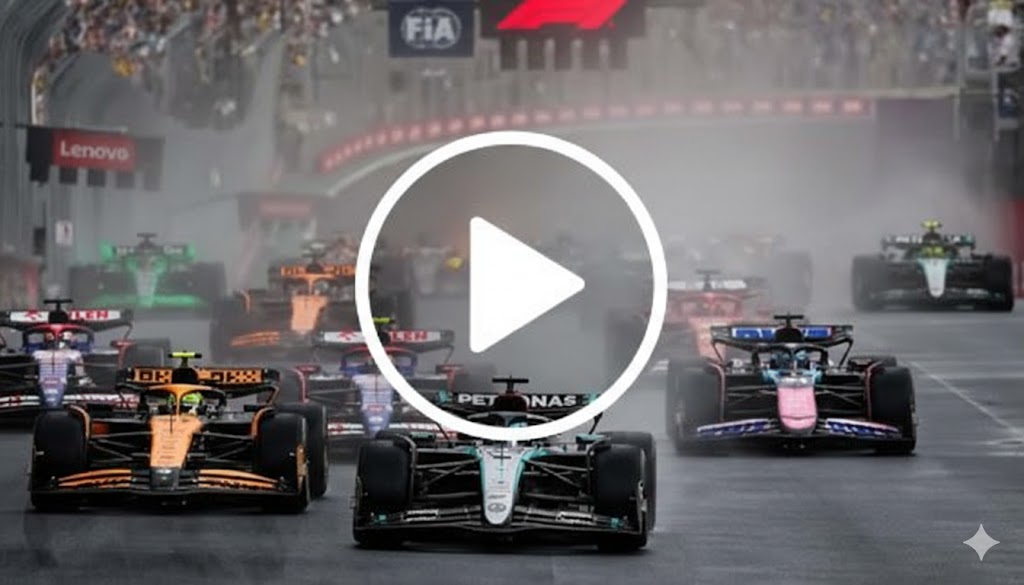
Away from the engine wars, a second high-stakes meeting focused on race start safety. The 2026 power units which operate on a roughly split between petrol and electric power have introduced a “turbo lag” issue that has many drivers on edge.Mclaren and Williams have raised concerns that cars risk stalling or “bogging down” during the standing start, creating a potential safety hazard for the pack behind. Ferrari, however, has staunchly opposed any last-minute tweaks to the start procedures. Having built their engine specifically to handle these unique 2026 torque curves, the Scuderia views any regulation change now as an attempt to “penalize innovation.”
Reliability and Rookies
On the asphalt, the day was not without drama. Red Bull hit its first major hurdle of the year when rookie Isack Hadjar was forced to stop on track with a suspected gearbox issue, limiting the team to just 13 laps in the morning. This follows a week of praise for the new Red Bull-Ford powertrain, proving that even the favorites aren’t immune to the “gremlins” of the new era.
Meanwhile, Kimi Antonelli continued his redemption arc. After a reliability-plagued first week, the Mercedes protégé clocked 69 laps, engaged in a spirited wheel-to-wheel battle with Alex Albon, and finished the morning session third-fastest.
Looking Ahead
With only 48 hours of testing remaining, the pressure is reaching a breaking point. Ferrari is expected to debut its “B-spec” aerodynamic package tomorrow, while Aston Martin currently languishing at the bottom of the mileage charts desperately needs a clean run to justify Adrian Newey’s bold design choices.
In 2026, F1 isn’t just a race of speed; it’s a race of interpretation. By the time the sun sets over Sakhir on Friday, the pecking order may be determined not by who was fastest on the track, but by who won the arguments in the boardrooms.