Motor heads Frontman Lemmy Kilmister became… READ MORE 👇
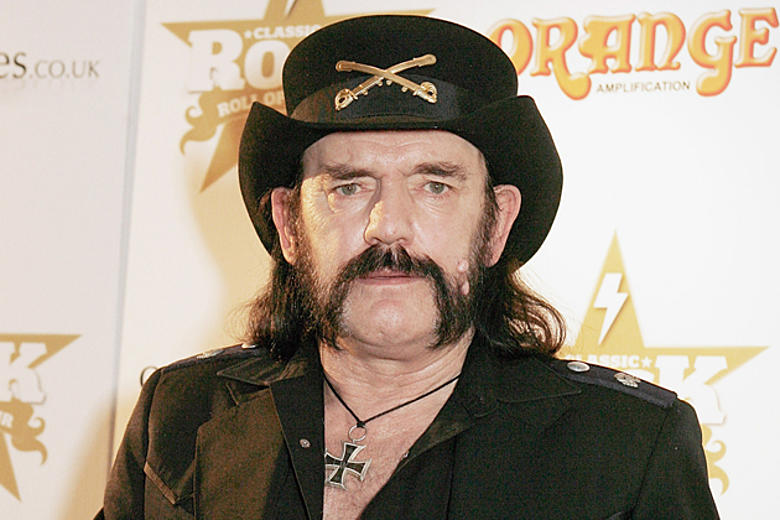
When people talk about Lemmy Kilmister, the stories usually come wrapped in volume the whiskey, the war memorabilia, the thunderous bass, the voice that sounded like it had lived a hundred lives. Lemmy the legend. Lemmy the outlaw. Lemmy the last true rock ’n’ roll icon.
But sometimes, the most powerful stories about him are the quiet ones.
One of those comes from Lemmy’s former personal assistant, who recently reflected on six years spent living, traveling, and surviving on the road with the Motörhead frontman. It’s not a tale of excess or chaos. It’s a story about guidance, presence, and an unexpected kind of love.
“He became a father figure to me at a time when I might have ended up in the morgue,” he says a line that hits hard because it’s painfully honest.
Touring isn’t glamorous when you’re behind the scenes. It’s exhaustion, bad decisions, long nights, and constant motion. For someone young and lost, the lifestyle can swallow you whole. That’s exactly where he found himself when Lemmy entered his life.
What’s surprising is how Lemmy responded.
This was a man famous for living without compromise, yet he had an uncanny awareness of the people around him. He noticed when someone was slipping. And instead of lectures or ultimatums, he offered something far more effective: steady presence.
“He never told me what to do,” the assistant recalls. “He just made sure I didn’t go too far.”
Sometimes that meant reminding him to eat. Sometimes it meant pulling him aside when things were getting out of hand. Sometimes it was just listening really listening during long nights after shows, when the noise died down and real conversations surfaced.
Onstage, Lemmy was relentless. Every night, no matter how he felt, he delivered. That discipline left a mark. “Watching him work taught me responsibility,” the assistant says. “He lived wild, but when it was time to play, nothing else mattered.”
Offstage, Lemmy was curious, sharp, and deeply human. He loved history, collected war artifacts, watched old films, and enjoyed thoughtful conversations more than people realized. He didn’t care about status. He treated fans, crew, and strangers the same with respect and authenticity.
That consistency became a lifeline.
Looking back now, the assistant doesn’t frame those six years as a job. They were survival years. Learning years. Years that could have ended very differently without Lemmy’s quiet intervention.
And that’s the Lemmy story we don’t hear often enough.
Yes, he was loud. Yes, he lived fast. Yes, he embodied rock ’n’ roll in its rawest form. But he was also someone who noticed when another human being was struggling and stayed close enough to make sure they didn’t disappear.
Legends are usually remembered for what they did onstage. Lemmy deserves to be remembered for who he was when the lights were off, the amps cooled down, and someone near him needed saving even if he never called it that.
Because sometimes, being a hero doesn’t look like noise at all. It looks like staying.