General Motors finally pulled the cover off the new Chevrolet Corvette…
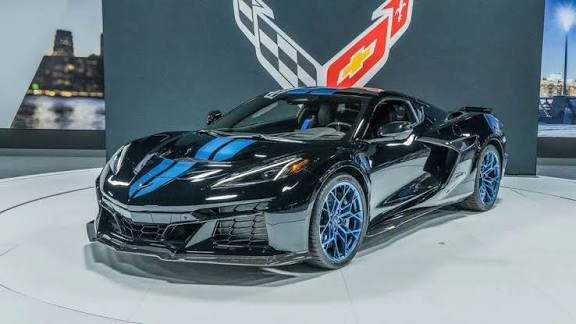
When General Motors finally pulled the cover off the new Chevrolet Corvette ZR1, it felt like a mic-drop moment. Over 1,000 horsepower, a screaming twin-turbo flat-plane V8, and performance figures that put Europe’s most expensive hypercars on notice all wearing a Corvette badge. On paper, GM says the ZR1 makes 1,064 horsepower. Impressive? Absolutely. But almost immediately, the car community started asking a bold question:
Is that number actually too low?
As the first ZR1s began finding their way onto dynos, whispers turned into full-blown debate. Independent shops and tuners started posting results showing the car producing over 1,000 horsepower at the wheels. For anyone who understands drivetrain loss, that’s a huge deal. Rear-wheel horsepower is typically 10–15 percent lower than crank horsepower. So if the ZR1 is already clearing four figures at the wheels, logic suggests the engine could be making significantly more power than GM admits.
Cue the controversy.
To be clear, there’s no evidence GM outright “lied.” But there is growing evidence that Chevrolet may have been extremely conservative with its official rating. And honestly, that wouldn’t be new. Automakers have a long history of underrating performance cars sometimes to protect reliability claims, sometimes to meet regulations, and sometimes simply to leave room above the model in the lineup.
That last point is where things get interesting.
Rumors around the even more extreme ZR1X reportedly pushing close to 1,250 horsepower with hybrid assistance are already swirling. If GM publicly admitted the base ZR1 was already flirting with 1,150 or 1,200 horsepower, it could blur the line between models. From a marketing standpoint, conservative numbers make sense.
There’s also the reality that dyno tests aren’t gospel. Different machines, weather conditions, calibration methods, and even fuel quality can produce wildly different results. GM’s numbers are certified using standardized SAE testing, designed to be repeatable and compliant not flashy or headline-grabbing. In contrast, dyno videos are about real-world excitement, not lab perfection.
Still, it’s hard to ignore what’s happening. Multiple tests, from reputable sources, are telling a similar story: the ZR1 might be a monster hiding behind modest paperwork.
And if that’s true? Enthusiasts aren’t upset — they’re thrilled.
There’s something deeply Corvette-like about this whole situation. For decades, the car has thrived on being underestimated. A blue-collar supercar that punches above its weight, embarrasses pricier rivals, and then quietly goes back to the garage without bragging.
Whether GM intentionally sandbagged the numbers or simply played it safe, the takeaway is the same: the new Corvette ZR1 is almost certainly more powerful than advertised. And for buyers lucky enough to get one, that feels less like deception and more like a bonus.
In the end, maybe the real story isn’t about lying at all it’s about a manufacturer confident enough to let the car do the talking.